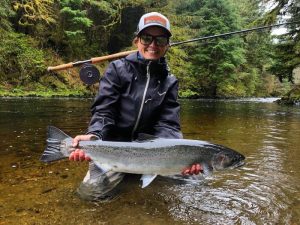
Embark on a thrilling journey with Budget wildlife watching trips, delving into a world of wildlife exploration without breaking the bank. Discover the beauty of nature in an affordable and sustainable way.
Learn how to plan your next adventure while making a positive impact on conservation efforts and immerse yourself in the wonders of the wild.
Budget Wildlife Watching Trips
Embarking on a budget wildlife watching trip allows nature enthusiasts to experience the beauty of the natural world without breaking the bank. These trips are not only affordable but also provide an opportunity to connect with wildlife in their natural habitats.
Planning a Budget-Friendly Wildlife Watching Trip
When planning a budget-friendly wildlife watching trip, consider traveling during the off-peak season to save on costs. Look for accommodations that offer affordable rates and opt for local transportation options to cut down on expenses. Additionally, research free or low-cost wildlife viewing opportunities in the area you plan to visit.
Importance of Conservation Efforts in Budget Wildlife Watching Trips
- Support eco-friendly tour operators that prioritize conservation efforts and sustainable practices.
- Respect wildlife habitats and follow guidelines to minimize your impact on the environment.
- Participate in volunteer programs or donate to organizations dedicated to wildlife conservation during your trip.
Budget-Friendly Destinations for Wildlife Watching Trips
| Destination | Key Highlights |
|---|---|
| Costa Rica | Rich biodiversity, affordable eco-lodges, and guided wildlife tours. |
| South Africa | Opportunities to see the Big Five on a budget, national parks with budget-friendly entrance fees. |
| Thailand | Accessible wildlife reserves, budget-friendly accommodations, and diverse wildlife species. |
Road Trip
Road trips can add an exciting element to your wildlife watching trip, allowing you to explore different habitats and ecosystems along the way. Whether you’re driving through national parks, forests, or coastal areas, a road trip offers the flexibility to stop and observe wildlife in their natural environment.
Tips for Planning a Wildlife Watching Road Trip on a Budget
- Research budget-friendly destinations known for wildlife sightings.
- Consider camping or staying in budget accommodations along the route.
- Pack your own food and snacks to save money on dining out.
- Plan your route in advance to optimize wildlife viewing opportunities.
- Check for any wildlife watching tours or activities that fit your budget.
Benefits of a Road Trip for Experiencing Wildlife
- Flexibility to stop and explore different wildlife habitats.
- Opportunity to observe wildlife behavior at different times of the day.
- Chance to discover hidden gems off the beaten path for unique wildlife encounters.
- Ability to cover multiple wildlife watching destinations in one trip.
Checklist of Essentials for a Wildlife Watching Road Trip
- Binoculars or a spotting scope for better wildlife viewing.
- Field guide or app to help identify wildlife species.
- Camera or smartphone for capturing wildlife moments.
- Comfortable clothing and footwear for outdoor activities.
- Insect repellent and sunscreen for protection in the wild.
- Snacks, water, and a cooler for food and drink on the go.
- Maps or GPS for navigation in remote areas.
Island Hopping
Island hopping can greatly enhance a wildlife watching experience by providing the opportunity to explore multiple habitats and ecosystems in a single trip. This allows travelers to encounter a diverse range of wildlife species in different settings, from coastal birds to marine mammals.
Budget-Friendly Island Hopping Tips
- Opt for local ferries or public transportation instead of private charters to save money on transportation costs.
- Consider camping or staying in budget accommodations on the islands to reduce lodging expenses.
- Pack your own food and snacks to avoid dining out at expensive restaurants during your trip.
- Research and plan your island hopping itinerary in advance to avoid last-minute expenses or unnecessary detours.
Unique Wildlife Species for Island Hopping
- Galapagos Islands: Blue-footed Boobies, Giant Tortoises, Marine Iguanas
- Hawaiian Islands: Humpback Whales, Hawaiian Monk Seals, Nene (Hawaiian Goose)
- Madagascar: Lemurs, Baobab Trees, Fossa
Safety Tips for Island Hopping Wildlife Watching
- Respect wildlife by observing from a safe distance and not disturbing their natural behavior.
- Be aware of your surroundings and follow all safety guidelines provided by local authorities or tour guides.
- Stay hydrated, wear sunscreen, and protect yourself from insect bites to stay healthy during your island hopping adventures.
- Inform someone of your itinerary and expected return time in case of emergencies while exploring remote islands.
- South Africa: Kruger National Park
- Kenya: Maasai Mara National Reserve
- Tanzania: Serengeti National Park
- Botswana: Chobe National Park
- Opt for guided game drives with experienced rangers
- Visit national parks during the dry season when animals gather around water sources
- Be patient and observant while scanning the surroundings for wildlife
- Consider early morning or late afternoon game drives when animals are most active
- Respect the natural habitat and wildlife by following park rules and regulations
- Whitefish Mountain Resort in Montana offers a chance to spot deer, elk, and even the occasional moose while skiing or snowboarding.
- Grand Targhee Resort in Wyoming is known for its proximity to Yellowstone National Park, where visitors can see bison, wolves, and bald eagles.
- Sugarloaf Mountain Resort in Maine provides opportunities to observe snowshoe hares, pine martens, and various bird species in their natural habitat.
- Keep a safe distance from wild animals and never approach them closely.
- Avoid feeding wildlife, as it can disrupt their natural behavior and diet.
- Be aware of your surroundings and watch out for any signs of wildlife presence, such as tracks or droppings.
- Respect wildlife habitats and avoid venturing off designated trails or areas.
- Carry bear spray or other wildlife deterrents if you are in an area known for bear or cougar sightings.
- High humidity and dense vegetation can make spotting wildlife challenging.
- Weather conditions in tropical environments can be unpredictable, affecting wildlife behavior and visibility.
- Insect bites and diseases are common risks when venturing into tropical jungles for wildlife watching.
- Avoid disturbing or approaching wildlife too closely to prevent stress and disruption to their natural behavior.
- Respect wildlife habitats by staying on designated trails and avoiding littering in natural areas.
- Support local conservation efforts and responsible tour operators that prioritize the well-being of wildlife.
- 1. Appalachian Trail, USA: Known for its diverse wildlife including bears, deer, and various bird species.
- 2. Annapurna Circuit, Nepal: Offers a chance to spot snow leopards, Himalayan bears, and other rare mountain wildlife.
- 3. West Coast Trail, Canada: Home to sea lions, whales, and a variety of seabirds along the rugged coastline.
- 1. Close Encounters: Backpacking allows travelers to get up close and personal with wildlife in their natural habitats.
- 2. Extended Observation Time: Spending multiple days in the wilderness increases the chances of observing unique animal behaviors.
- 3. Uninterrupted Nature Experience: Backpacking enables a deeper connection with the environment without the distractions of modern life.
- 1. Lightweight Binoculars: Opt for compact binoculars to easily carry and enhance wildlife viewing.
- 2. Field Guide: Bring a wildlife guidebook to help identify species and learn more about the local fauna.
- 3. Camera Gear: Pack a quality camera or smartphone with a zoom lens for capturing wildlife moments.
- 4. Bug Repellent: Protect yourself from insect bites while exploring wildlife habitats.
- 5. Respect Wildlife: Remember to observe animals from a safe distance and avoid disrupting their natural behaviors.
- Embark on a wildlife safari in Africa and enjoy traditional African cuisine around the campfire.
- Explore the rainforests of Costa Rica and savor delicious tropical fruits while spotting colorful birds and monkeys.
- Visit the Galapagos Islands and taste fresh seafood dishes after a day of snorkeling with sea lions and marine iguanas.
- Food is an integral part of any culture and trying local dishes can provide insight into the traditions and history of a region.
- Observing wildlife in their natural habitat allows for a deeper appreciation of the environment and the importance of conservation.
- Research restaurants and food markets in advance to sample authentic dishes without compromising wildlife watching time.
- Opt for guided tours that include both food tastings and wildlife expeditions to make the most of your trip.
- Plan your itinerary carefully to allocate time for meals and wildlife activities, ensuring a harmonious blend of both experiences.
- South Africa’s Western Cape: Known for its affordable wines and diverse wildlife, including zebras, antelopes, and various bird species.
- Mendoza, Argentina: Offers budget-friendly wine tours with opportunities to spot guanacos, foxes, and Andean condors in the surrounding areas.
- Chile’s Central Valley: Home to vineyards with affordable wine tastings and chances to see flamingos, foxes, and various bird species.
- For bird watching excursions, pair a crisp Sauvignon Blanc with light bites to enjoy while spotting different bird species.
- When on a safari adventure, opt for a bold Shiraz or Malbec to complement the rich flavors of grilled meats after a day of wildlife sightings.
- During a vineyard tour in a tropical paradise, a refreshing Rosé paired with fresh seafood can enhance the experience of observing marine wildlife.
- Practicing yoga and meditation in natural settings can help you tune into the sights, sounds, and energy of the wildlife around you.
- Mindfulness practices can increase your awareness and appreciation of the beauty and tranquility of the natural world.
- Look for yoga and meditation retreats located in nature reserves, national parks, or eco-friendly resorts known for their wildlife sightings.
- Consider volunteer programs that offer yoga and meditation sessions combined with conservation work, allowing you to interact with wildlife in a meaningful way.
- Mindfulness can help you stay present and fully immerse yourself in the wildlife watching experience, without distractions or worries.
- By cultivating a sense of calm and inner peace through yoga and meditation, you can approach wildlife encounters with respect and reverence.
- Start your day with a yoga or meditation session to set a positive and peaceful tone for your wildlife watching adventures.
- Practice mindfulness techniques, such as deep breathing or grounding exercises, to stay centered and focused during wildlife encounters.
- Take moments to pause, observe, and appreciate the beauty of nature around you, integrating mindfulness into your wildlife watching experience.
- Great Migration Festival in Kenya: Witness the incredible wildebeest migration in the Masai Mara National Reserve during this festival.
- Monarch Butterfly Festival in Mexico: Celebrate the monarch butterfly migration in Michoacán with cultural performances and butterfly releases.
- Whale Festival in Iceland: Experience the majesty of whales off the coast of Iceland while enjoying music, food, and traditional festivities.
- Arrive early to popular wildlife viewing areas to secure a good spot without too many people around.
- Respect the animals and their habitats by maintaining a safe distance and avoiding any sudden movements or loud noises.
- Consider hiring a local guide who can help you navigate the crowds and provide valuable insights into the wildlife you are observing.
- Disney’s Animal Kingdom in Florida, USA, offers a unique blend of entertainment and education with a focus on wildlife conservation.
- San Diego Zoo Safari Park in California, USA, provides an immersive experience where visitors can observe animals in naturalistic habitats.
- Everland in South Korea features a zoo and safari park that highlights native and exotic wildlife species.
- Choose eco-friendly and sustainable activities within the park to minimize your impact on the environment.
- Participate in educational programs and initiatives that support wildlife conservation efforts.
- Support the parks’ conservation initiatives by donating to wildlife conservation funds or purchasing merchandise that contributes to wildlife protection.
- Choose eco-friendly accommodations and tour operators that prioritize sustainability and support local conservation initiatives.
- Participate in volunteer programs or donate to local wildlife organizations to contribute directly to conservation efforts.
- Respect wildlife habitats by following designated trails, keeping a safe distance from animals, and avoiding feeding or disturbing them.
- Research proper wildlife viewing etiquette before your trip to understand the specific guidelines for interacting with different species.
- Use binoculars and cameras to observe wildlife from a distance without causing stress or disruption to the animals.
- Avoid approaching or touching wild animals, and refrain from sharing their locations on social media to prevent overcrowding and negative impacts on their behavior.
- Joshua Tree National Park, California – Known for its iconic Joshua trees and diverse wildlife such as bighorn sheep, roadrunners, and desert tortoises.
- Sonoran Desert, Arizona – Home to a variety of species including javelinas, coyotes, and Gila monsters.
- Wadi Rum, Jordan – Offers a unique desert experience with the chance to spot Arabian oryx, sand cats, and desert foxes.
- Extreme Temperatures: Desert environments can reach very high temperatures during the day and plummet at night, requiring visitors to prepare accordingly.
- Scarcity of Water Sources: Wildlife in deserts are adapted to survive with limited water, making it challenging to spot animals near water sources.
- Nocturnal Behavior: Many desert animals are nocturnal, so visitors may need to adjust their schedules to observe wildlife activity.
- Stay Hydrated: Carry an ample water supply to stay hydrated in the dry desert climate.
- Respect Wildlife: Keep a safe distance from animals and avoid disturbing their natural behaviors.
- Protect Yourself from the Sun: Wear sunscreen, a hat, and lightweight clothing to shield yourself from the intense desert sun.
- Inform Others of Your Plans: Let someone know your itinerary and expected return time when venturing into remote desert areas.
- Look for local photography guides who offer affordable wildlife photography tours in your area.
- Join photography workshops or tours organized by non-profit organizations or educational institutions that focus on wildlife conservation.
- Consider group tours where the cost can be divided among participants, making it more budget-friendly.
- Respect the animals’ natural behavior and habitat by maintaining a safe distance and avoiding any actions that could disturb or harm them.
- Follow the guidelines set by conservation organizations and national parks to ensure minimal impact on the wildlife during your photography expedition.
- Avoid using bait or any other methods that could manipulate the animals’ behavior for a better shot.
- Invest in a good telephoto lens to capture wildlife from a distance without disturbing them.
- Practice patience and spend time observing the animals’ behavior to anticipate the best moments for photography.
- Make use of natural light and avoid using flash to maintain the natural look of the wildlife in your photos.
- The Everglades, Florida: Known for its diverse ecosystem and abundance of wildlife, including alligators, birds, and fish.
- Costa Rica: Offers affordable fishing trips with opportunities to see monkeys, sloths, and colorful birds.
- British Columbia, Canada: Known for its salmon fishing and opportunities to spot bears and whales along the coast.
- Practice catch and release to minimize harm to fish populations.
- Use barbless hooks to reduce injury to fish during catch and release.
- Dispose of fishing lines and other waste properly to prevent harm to wildlife.
- Respect wildlife by observing from a distance and minimizing disturbance to their habitats.
- Utila, Honduras – Known for its affordable diving options and encounters with whale sharks.
- Koh Tao, Thailand – Offers budget-friendly diving certification courses and vibrant coral reefs.
- Red Sea, Egypt – Home to a variety of colorful fish species and beautiful coral formations.
- Respecting marine life and their habitats by not touching or disturbing them.
- Using reef-safe sunscreen to protect coral reefs from harmful chemicals.
- Participating in beach clean-ups and supporting local conservation efforts.
- Maintain a safe distance from marine animals to avoid causing stress or harm.
- Never chase or touch marine creatures, as it can disrupt their natural behavior.
- Listen to the instructions of experienced guides and follow diving protocols for a safe and enjoyable experience.
- Respect wildlife habitats by staying on designated trails and avoiding disturbing animals.
- Avoid feeding wildlife, as it can disrupt their natural behaviors and diet.
- Keep a safe distance from wildlife and observe them quietly without causing stress or harm.
- Follow local regulations and guidelines for wildlife protection while cycling in nature reserves or national parks.
- Wildlife-friendly golf resorts like The Sanctuary at Kiawah Island Golf Resort in South Carolina offer stunning views of the ocean and marshland, where guests can often spot dolphins, alligators, and a variety of bird species.
- Another option is the Wachesaw Plantation Club in Murrells Inlet, South Carolina, known for its beautiful landscapes and frequent sightings of deer, foxes, and various bird species.
- Golf courses can disrupt natural habitats and ecosystems, leading to challenges in wildlife conservation. Pesticide use, habitat fragmentation, and water pollution are some of the common issues faced in maintaining a balance between golfing and wildlife preservation.
- Efforts are being made by many golf courses to implement wildlife-friendly practices, such as creating designated wildlife areas, using organic fertilizers, and minimizing chemical use to protect the natural environment.
- Respect wildlife habitats by staying on designated paths and avoiding driving carts through sensitive areas where animals may reside.
- Avoid feeding wildlife on the golf course, as it can disrupt their natural diet and behavior patterns.
- Support golf courses that prioritize wildlife conservation efforts and sustainability practices to help protect the environment for future generations.
- Visit public parks and gardens with wildlife sculptures and installations.
- Explore street art and murals depicting animals in urban settings.
- Join guided tours of museums and galleries showcasing wildlife-themed paintings and artifacts.
- Wildlife motifs in art and architecture often symbolize aspects of nature, spirituality, and mythology.
- These motifs can reflect cultural beliefs, environmental conservation efforts, and historical narratives related to wildlife.
- Artists and architects use wildlife imagery to celebrate the beauty and diversity of the natural world.
- Pay attention to details like animal shapes, patterns, and colors in artistic and architectural elements.
- Research the symbolism and cultural significance of wildlife motifs in different artistic traditions.
- Engage with local guides or experts to learn more about the stories behind wildlife-inspired artworks.
Safari Adventure
Embarking on a safari adventure is a thrilling way to witness wildlife in their natural habitat. Whether opting for a budget-friendly or luxurious experience, the opportunity to observe majestic animals up close is a truly unforgettable experience.
Difference Between Budget and Luxury Safari Adventures
When it comes to safari adventures, the main difference between budget and luxury experiences lies in the level of accommodation, transportation, and additional amenities provided. Luxury safaris typically offer high-end lodging, gourmet dining options, and exclusive guides, while budget safaris often involve more basic accommodations and transportation.
Budget-Friendly Safari Destinations
These destinations offer incredible wildlife viewing opportunities at a more affordable price point compared to other safari locations.
Wildlife Conservation Efforts in Safari Adventures
Many safari operators and national parks are actively involved in wildlife conservation efforts to protect endangered species and their habitats. By supporting these initiatives, visitors can contribute to the preservation of biodiversity and help ensure the long-term survival of wildlife populations.
Tips for Maximizing Wildlife Sightings During a Budget Safari Adventure
Ski and Snowboarding Vacation
When planning a ski and snowboarding vacation, you can also incorporate wildlife watching activities to enhance your overall experience.
Wildlife Watching Opportunities at Budget-Friendly Ski Resorts
Best Seasons for Combining Snow Sports with Wildlife Watching
Winter is the ideal season for combining snow sports with wildlife watching, as many animals are more visible against the snowy backdrop. Early mornings or late afternoons tend to be the best times for wildlife sightings, so plan your ski or snowboarding sessions accordingly.
Safety Tips for Observing Wildlife in Snowy Environments
Tropical Paradise Escape
When planning a tropical paradise escape, you can immerse yourself in the beauty of nature and observe a wide variety of wildlife in their natural habitats. From vibrant tropical birds to exotic marine life, tropical destinations offer a unique opportunity to witness diverse wildlife up close.
Budget-Friendly Tropical Destinations for Wildlife Watching
Some budget-friendly tropical destinations known for their diverse wildlife include Costa Rica, Thailand, and Belize. These destinations offer a rich biodiversity and a range of wildlife watching opportunities, from guided tours to self-guided hikes through lush rainforests.
Challenges of Wildlife Watching in Tropical Environments
Tips for Sustainable Wildlife Watching Practices in Tropical Paradises
Backpacking Adventure
Backpacking adventures offer unique wildlife watching opportunities as they allow travelers to immerse themselves in nature for extended periods. The freedom to explore off-the-beaten-path locations and spend more time in wildlife-rich areas makes backpacking an ideal choice for nature enthusiasts.
Budget-friendly Backpacking Routes Rich in Wildlife
Benefits of Backpacking for Immersive Wildlife Experiences
Packing Tips for Wildlife Watching During Backpacking Trips
Culinary Tour

Culinary tours offer a unique opportunity to explore the local flavors and dishes of a region while also indulging in wildlife watching experiences. Combining these two elements can create a well-rounded and memorable trip that engages all the senses.
Combining Culinary Delights with Wildlife Sightings
Cultural Significance of Food Exploration and Wildlife Watching
Tips for Balancing Culinary Experiences with Wildlife Encounters
Wine and Vineyard Tour
Wine and vineyard tours offer a unique opportunity to combine the pleasure of tasting local wines with the excitement of wildlife watching. As vineyards are typically located in rural areas with natural surroundings, many wildlife species can be observed while exploring the beautiful landscapes.
Budget-Friendly Wine Regions with Wildlife
Biodiversity in Vineyard Landscapes
Vineyard landscapes are not just about grapes; they are also rich in biodiversity. Many vineyards are located in regions with diverse ecosystems, providing habitats for various wildlife species. From insects and birds to larger mammals, vineyards can be home to a wide range of animals.
Wine Pairing Suggestions for Wildlife Watching
Yoga and Meditation Retreat
Yoga and meditation are practices that promote mindfulness, self-awareness, and inner peace. When combined with wildlife watching, they can enhance the overall experience by allowing you to connect with nature on a deeper level.
Connection between Yoga, Meditation, and Wildlife Watching
Budget-Friendly Retreats with Wildlife Encounters
Benefits of Mindfulness Practices in Enhancing Wildlife Experiences
Tips for Combining Yoga and Meditation with Wildlife Watching Activities
Festival-Based Vacation
Festival-based vacations offer a unique opportunity to immerse yourself in the local culture while also enjoying wildlife watching experiences. These festivals often feature wildlife-related events, making them an exciting and budget-friendly option for nature enthusiasts.
Budget-Friendly Festivals with Wildlife Events
Cultural Significance of Wildlife in Festivals
Festivals often incorporate wildlife into their celebrations as a way to honor and respect the natural world. Animals play a significant role in many cultures, symbolizing strength, wisdom, and harmony with the environment. By including wildlife-related events, festivals highlight the importance of conservation and preservation of these species.
Tips for Navigating Crowds During Wildlife Sightings
Theme Park Vacation
Theme park vacations can be a fun and exciting way to incorporate wildlife conservation themes. Many theme parks around the world have attractions and exhibits that focus on educating visitors about wildlife conservation and the importance of protecting our planet’s biodiversity.
Budget-Friendly Theme Parks with Wildlife-Focused Attractions
Educational Value of Wildlife Experiences in Theme Parks
Theme parks with wildlife-focused attractions offer educational opportunities for visitors of all ages to learn about different animal species, their habitats, and the conservation efforts being made to protect them. These experiences can help raise awareness and inspire people to take action to protect wildlife and their environments.
Tips on Supporting Wildlife Conservation Efforts at Theme Parks
Wildlife Watching Trip
Embarking on a wildlife watching trip not only offers a thrilling experience but also plays a crucial role in promoting conservation awareness.
Significance of Wildlife Watching Trips for Conservation Awareness
Wildlife watching trips provide a unique opportunity for travelers to connect with nature and gain a deeper appreciation for the importance of conservation efforts. By observing animals in their natural habitats, individuals are more likely to understand the impact of human activities on wildlife populations.
Budget-Friendly Ways to Support Local Wildlife Conservation
Impact of Responsible Wildlife Watching on Ecosystems
Responsible wildlife watching practices help minimize disturbance to animals and their habitats, allowing ecosystems to thrive naturally. By prioritizing ethical behavior and conservation principles, travelers can ensure the long-term survival of wildlife species.
Tips on Ethical Wildlife Watching Practices for Travelers
Desert Adventure
Desert adventures provide a unique opportunity for wildlife viewing due to the diverse range of species adapted to survive in arid landscapes. The sparse vegetation and extreme temperatures of deserts create a distinct ecosystem where animals have developed specialized behaviors and features to thrive.
Budget-Friendly Desert Destinations
Challenges of Wildlife Watching in Desert Environments
Safety Tips for Observing Wildlife in Arid Landscapes
Photography Expedition
Photography expeditions play a crucial role in documenting wildlife by capturing stunning images that can raise awareness about conservation efforts, showcase the beauty of nature, and contribute to scientific research.
Budget-Friendly Photography Tours
Ethical Considerations of Wildlife Photography
Tips for Capturing the Best Wildlife Moments on a Budget
Fishing Trip
When it comes to fishing trips, the experience goes beyond just catching fish. It can also provide an opportunity to observe wildlife in their natural habitats, creating a unique and memorable adventure for enthusiasts.
Wildlife Watching Experiences
Fishing trips often take place in serene and remote locations, providing a great chance to witness various wildlife species in their natural environment. From birds swooping down to catch fish to mammals foraging along the shore, the combination of fishing and wildlife watching offers a well-rounded outdoor experience.
Budget-Friendly Destinations
Some budget-friendly fishing destinations where wildlife can be observed include:
Conservation Aspects
Combining fishing with wildlife watching emphasizes the importance of conservation efforts to protect these natural habitats. Responsible fishing practices and sustainable tourism can help preserve the delicate balance of ecosystems, ensuring future generations can also enjoy these experiences.
Sustainable Fishing Practices
To ensure a positive impact on wildlife while fishing, consider these tips:
Diving and Snorkeling Vacation
Exploring the underwater world through diving and snorkeling vacations is a thrilling experience that offers incredible encounters with marine wildlife.
Budget-Friendly Diving Spots with Diverse Marine Life
There are several budget-friendly diving spots around the world known for their diverse marine life, such as:
Importance of Marine Conservation During Diving and Snorkeling Trips
When engaging in diving and snorkeling activities, it is crucial to prioritize marine conservation by:
Safety Tips for Observing Marine Wildlife
While observing marine wildlife in their natural habitat, it is important to follow these safety tips:
Cycling Vacation
Cycling vacations offer a unique opportunity to explore wildlife-rich areas while enjoying the benefits of eco-friendly transportation. As you pedal through various landscapes, you may encounter diverse wildlife species in their natural habitats, making your journey even more exciting and memorable.
Wildlife Watching Opportunities
Cycling vacations often pass through wildlife-rich areas such as national parks, nature reserves, and scenic countryside. These routes provide cyclists with the chance to observe a wide range of wildlife, including birds, mammals, and other fascinating creatures. By choosing cycling as a mode of transportation, travelers can immerse themselves in nature and enjoy up-close encounters with wildlife along the way.
Budget-Friendly Cycling Routes
The Great Allegheny Passage
This trail runs from Pittsburgh to Cumberland, passing through the stunning landscapes of Pennsylvania and Maryland. Cyclists may spot various bird species, deer, and other wildlife along the route.
The Katy Trail
Stretching across Missouri, this scenic trail offers cyclists the opportunity to observe river otters, bald eagles, and other wildlife in their natural habitat.
Eco-Friendly Transportation Benefits
Cycling is a sustainable and eco-friendly mode of transportation that helps reduce carbon emissions and minimize the impact on wildlife habitats. By choosing to cycle during vacations, travelers can contribute to wildlife conservation efforts and promote environmental sustainability.
Wildlife-Friendly Cycling Practices
Sailing and Yachting Vacation
Sailing and yachting vacations provide a unique opportunity to witness diverse marine wildlife in their natural habitats. The peacefulness of sailing on the open water allows for close encounters with various species of marine animals, offering a memorable and immersive experience for wildlife enthusiasts.
Unique Wildlife Sightings
Sailing and yachting vacations enable travelers to witness a wide range of marine wildlife, including dolphins, whales, sea turtles, seabirds, and colorful fish species. The serenity of the ocean environment allows for up-close interactions with these creatures, providing a deeper appreciation for the beauty and diversity of marine ecosystems.
Budget-Friendly Destinations
Some budget-friendly sailing destinations known for their diverse marine wildlife include the Sea of Cortez in Mexico, the Whitsunday Islands in Australia, the Greek Islands, and the islands of Thailand. These destinations offer affordable options for sailing and yachting trips, allowing travelers to explore pristine waters teeming with marine life without breaking the bank.
Impact of Ocean Pollution
Ocean pollution poses a significant threat to marine wildlife during sailing trips, as plastic waste, oil spills, and other pollutants can harm and disrupt delicate marine ecosystems. It is crucial for boaters to practice responsible waste disposal and reduce their carbon footprint to minimize the impact of pollution on marine wildlife.
Responsible Boating Practices
To preserve marine wildlife during sailing and yachting vacations, boaters should adhere to responsible boating practices, such as avoiding the use of single-use plastics, refraining from feeding wildlife, keeping a safe distance from marine animals, and following designated boating routes to minimize disturbance to sensitive habitats. By practicing responsible boating, travelers can help protect marine wildlife and ensure a sustainable future for ocean ecosystems.
Golf Vacation
Planning a golf vacation can offer a unique opportunity to combine the love of the sport with wildlife watching experiences. Many golf resorts around the world are nestled in natural settings, providing a chance to spot diverse wildlife while enjoying a round of golf.
Budget-Friendly Golf Resorts with Wildlife
Challenges of Wildlife Conservation in Golf Course Environments
Wildlife-Friendly Golfing Practices
Art and Architecture Tour
Art and architecture tours can be a fascinating way to explore the connection between wildlife and human creativity. By incorporating wildlife elements into artworks and designs, these tours offer a unique perspective on how nature inspires art and architecture.
Budget-Friendly Tours with Wildlife-Inspired Artworks
Cultural Significance of Wildlife Motifs
Tips for Appreciating Wildlife Connections
Final Wrap-Up
As you wrap up your wildlife watching trip, take with you memories of stunning encounters and a newfound appreciation for the natural world. Budget wildlife watching trips offer a unique blend of adventure, conservation, and unforgettable experiences in the wild.
FAQ Explained
Is it possible to have a memorable wildlife watching experience on a budget?
Absolutely! With careful planning and research, you can enjoy incredible wildlife encounters without breaking the bank.
What are some budget-friendly destinations for wildlife watching trips?
Places like national parks, wildlife reserves, and nature sanctuaries often offer affordable options for wildlife enthusiasts.
How can I contribute to conservation efforts during my wildlife watching trip?
You can support conservation by choosing eco-friendly accommodations, following ethical wildlife viewing practices, and educating yourself about local wildlife conservation initiatives.