Embark on a journey with Guided photography expeditions, where every click of the camera captures a unique story waiting to be told.
From road trips to tropical paradises, explore the world through your lens and discover the art of photography in its purest form.
Introduction to Guided Photography Expeditions
Guided photography expeditions are organized trips led by professional photographers or guides to various destinations with the primary focus on capturing stunning images. These expeditions provide participants with the opportunity to enhance their photography skills while exploring new places.
The benefits of joining a guided photography expedition include the chance to learn from experienced photographers, receive guidance on composition and techniques, access to unique locations off the beaten path, and the opportunity to connect with like-minded individuals who share a passion for photography.
Types of Destinations Covered
- Scenic Landscapes: Guided photography expeditions often take participants to breathtaking landscapes such as mountains, deserts, forests, and coastlines, providing ample opportunities for capturing stunning natural beauty.
- Urban Exploration: Some expeditions focus on urban photography, allowing participants to document the architecture, street scenes, and cultural aspects of cities around the world.
- Wildlife Safaris: For those interested in wildlife photography, guided expeditions to national parks and wildlife reserves offer the chance to photograph a diverse range of animals in their natural habitats.
- Cultural Immersion: Expeditions to culturally rich destinations provide photographers with the opportunity to document traditions, festivals, and daily life, capturing the essence of different cultures.
Road Trip Photography

Road trips offer unique opportunities for capturing stunning photos along the journey. Whether it’s a cross-country adventure or a weekend getaway, road trip photography allows you to document the landscapes, people, and moments that make the experience memorable.
Tips for Capturing the Best Moments
- Be prepared: Make sure your camera gear is easily accessible during the trip to capture spontaneous moments.
- Experiment with different angles: Get creative with your shots by exploring various perspectives.
- Utilize natural light: Take advantage of the golden hours during sunrise and sunset for beautiful lighting.
- Capture details: Don’t forget to zoom in on the small details that can tell a story.
- Include people: Incorporating people in your photos can add a human element and help tell a story.
Importance of Planning and Flexibility
Planning ahead can help you identify key locations and events along the route that you don’t want to miss. However, flexibility is also crucial as you may encounter unexpected photo opportunities or changes in weather conditions that can enhance your shots.
Unique Challenges and Opportunities
- Weather variations: Be prepared to adapt to changing weather conditions that can create unique lighting and atmospheres for your photos.
- Time constraints: Limited time at each location may require quick thinking and decision-making to capture the best shots.
- Capturing motion: Road trips offer the chance to experiment with capturing motion blur or action shots while on the move.
- Diverse landscapes: From mountains to deserts to coastal roads, road trips expose you to a variety of landscapes that offer endless photography opportunities.
Island Hopping Photography
Island hopping photography offers a unique opportunity to capture diverse landscapes, seascapes, and local culture across multiple islands in one trip. Each island visited presents its own charm and beauty, making it a photographer’s paradise.
Destinations for Island Hopping Photography
- Hawaii: With its volcanic landscapes, lush greenery, and pristine beaches, Hawaii offers a wide range of photography opportunities from sunrise to sunset.
- Maldives: Known for its crystal clear waters, overwater bungalows, and vibrant marine life, the Maldives is a perfect destination for underwater photography enthusiasts.
- Philippines: The Philippines boasts stunning limestone cliffs, turquoise waters, and secluded beaches, making it a fantastic location for capturing tropical paradise scenes.
Tips for Capturing the Essence of Each Island
- Research the best times for photography at each island to make the most of natural lighting conditions.
- Interact with locals to capture authentic moments and cultural experiences during your island hopping journey.
- Experiment with different angles and perspectives to showcase the uniqueness of each island in your photographs.
- Don’t forget to pack essential photography gear such as a versatile lens, tripod, and protective casing for your equipment.
Safari Adventure Photography
When embarking on a safari adventure, capturing the essence of wildlife through photography can be both challenging and immensely rewarding. The opportunity to witness animals in their natural habitat and immortalize those moments through images is a unique experience that requires skill, patience, and respect for the subjects.
Techniques for Capturing Wildlife
- Utilize long lenses: To maintain a safe distance from the animals while still capturing detailed shots, long telephoto lenses are essential.
- Patiently observe behavior: Understanding animal behavior and anticipating movements can help you capture candid and dynamic shots.
- Focus on the eyes: The eyes of an animal can convey emotion and depth, so ensure they are sharp and in focus in your photographs.
- Use natural light: Early morning and late afternoon light can create stunning effects, so plan your photography sessions around these times.
Ethical Considerations
- Respect animal habitats: Always prioritize the well-being of the animals and avoid disturbing their natural environment for the sake of a photograph.
- Observe from a distance: Maintain a safe distance from wildlife to prevent stress or interference with their natural behaviors.
- Avoid baiting or provoking animals: It is unethical to manipulate animals for a shot, so refrain from using bait or causing distress to elicit specific behaviors.
- Do not litter or leave a trace: Ensure that your presence does not impact the environment negatively, and leave no trace of your visit behind.
Ski and Snowboarding Vacation Photography
When capturing action shots on a ski or snowboarding vacation, it is essential to consider the speed and movement of the athletes. The snowy environment provides a unique backdrop for dynamic shots, requiring careful attention to lighting and composition.
Capturing Action Shots
To capture action shots effectively, use a fast shutter speed to freeze the motion of skiers or snowboarders as they navigate the slopes. Anticipate the movement of the athletes and focus on capturing the peak action moments. Experiment with different angles and perspectives to add variety to your shots.
Importance of Lighting and Composition
In snowy environments, lighting can be challenging due to the bright, reflective nature of the snow. Pay attention to the direction of light to avoid overexposure and harsh shadows. Consider shooting during the golden hours of sunrise or sunset for warm, soft light that enhances the winter scenery. When composing your shots, utilize leading lines, framing, and the rule of thirds to create visually appealing images.
Tips for Photographing Landscapes and Winter Sports Activities
Embrace the winter landscape
Capture the beauty of snow-covered trees, mountains, and frozen lakes to add depth and context to your photos.
Include human elements
Incorporate skiers, snowboarders, and other winter sports enthusiasts in your shots to showcase the scale and excitement of the activities.
Experiment with long exposure
Create stunning visual effects by using long exposure techniques to capture the movement of skiers or snowboarders against the snowy backdrop.
Stay warm and prepared
Dress warmly and protect your gear from the cold weather conditions to ensure you can focus on capturing memorable moments without distractions.
Tropical Paradise Escape Photography
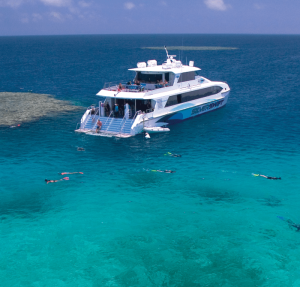
When it comes to capturing the essence of a tropical paradise through photography, one can expect a vibrant display of colors and breathtaking landscapes that truly showcase the beauty of these destinations. From crystal clear turquoise waters to lush greenery and colorful wildlife, tropical paradises offer a plethora of opportunities for photographers to create stunning images that evoke a sense of wonder and relaxation.
Unique Colors and Landscapes
In tropical paradises, one can expect a wide range of unique colors and landscapes that make for captivating photographs. The vibrant hues of the flora and fauna, the striking contrast between the blue skies and the turquoise waters, and the golden hues of sandy beaches all come together to create a visual feast for photographers. To truly capture the essence of these colors and landscapes, it is essential to play with lighting and composition to bring out the vividness and beauty of the surroundings.
Tips for Shooting Underwater and Beach Scenes
When shooting underwater scenes in tropical locations, it is important to use the right equipment such as underwater cameras or waterproof housings to protect your gear. Additionally, experimenting with different angles and perspectives can help you capture unique and mesmerizing underwater shots. For beach scenes, playing with natural light and shadows can enhance the overall mood of the image. Consider using a polarizing filter to reduce glare and reflections on the water or sand, and don’t be afraid to get creative with composition to make your beach shots stand out.
Conveying Relaxation and Beauty through Photography
To convey the relaxation and beauty of a tropical escape through photography, focus on capturing the tranquility and serenity of the surroundings. Utilize long exposure techniques to create dreamy, ethereal images of flowing water or gentle waves on the shore. Incorporate elements such as hammocks, palm trees, or beach chairs to evoke a sense of leisure and relaxation in your photos.
Pay attention to the details and textures of the tropical landscape to bring out the natural beauty and allure of these paradises in your images.
Backpacking Adventure Photography
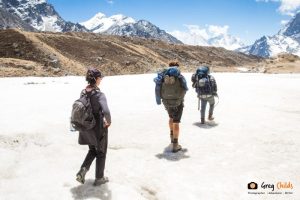
When embarking on a backpacking adventure, capturing the moments and landscapes along the way can be both challenging and rewarding. It requires careful planning and the ability to adapt to different conditions while on the move.
Tips for Packing Photography Gear Efficiently
- Invest in lightweight and compact photography gear to minimize the weight of your backpack.
- Consider multi-purpose equipment, such as a versatile lens that can cover a wide range of focal lengths.
- Use padded camera inserts or protective cases to keep your gear safe during the journey.
- Carry extra batteries, memory cards, and lens cleaning tools to ensure you never miss a shot.
Capturing the Essence of the Journey and Landscapes
- Focus on storytelling through your photos, capturing the emotions and experiences of your backpacking trip.
- Experiment with different perspectives and compositions to showcase the beauty of the landscapes you encounter.
- Utilize natural light to your advantage, especially during sunrise and sunset, to add depth and drama to your images.
- Include human elements in your photos to provide scale and context to the vast landscapes you explore.
Culinary Tour Photography
Capturing the essence of different cuisines and dining experiences is a delightful way to document a culinary tour. Food photography plays a crucial role in preserving memories and showcasing the culture and flavors of a destination. Here are some tips for photographing food in various lighting and settings:
Tips for Food Photography
- Utilize natural light: When possible, shoot your food in natural light to capture the true colors and textures of the dish.
- Experiment with angles: Try shooting from different angles to find the most flattering perspective for the dish.
- Focus on details: Zoom in on the intricate details of the food, such as garnishes or textures, to add visual interest to your photos.
- Use props: Incorporate props like utensils, table settings, or local decor to enhance the storytelling aspect of your food photography.
- Consider the background: Choose backgrounds that complement the dish and add to the overall aesthetic of the photo.
- Play with depth of field: Experiment with depth of field to create a sense of depth and focus on the main elements of the dish.
Wine and Vineyard Tour Photography
When it comes to wine and vineyard tour photography, there are unique opportunities to capture the beauty of the vineyards and the wine-making processes. From stunning landscapes to intimate moments during wine tastings, there is a lot to explore and photograph in this setting.
Photographing Vineyards and Wine-making Processes
- Focus on the details: Capture the intricate process of winemaking, from harvesting the grapes to bottling the wine.
- Use natural light: Take advantage of the natural light in vineyards to create beautiful, well-lit photos.
- Include people: Whether it’s the winemakers themselves or visitors enjoying a tour, including people in your photos can add depth and interest.
- Experiment with angles: Try shooting from different perspectives to showcase the vastness and beauty of the vineyards.
Photographing Wine Tastings and Vineyard Landscapes
- Capture the moment: Focus on the expressions of people tasting wine, the swirl of the glass, and the colors of the wine.
- Highlight the scenery: Vineyards are often set in picturesque locations, so make sure to capture the stunning landscapes surrounding the vineyard.
- Play with depth of field: Experiment with shallow depth of field to create dreamy, blurred backgrounds that make your subject stand out.
- Shoot during golden hour: The warm, soft light during sunrise or sunset can enhance the beauty of the vineyard and create a magical atmosphere in your photos.
Yoga and Meditation Retreat Photography
Capturing the essence of yoga and meditation retreats through photography can be a challenging yet rewarding experience. These retreats focus on tranquility, mindfulness, and relaxation, which can be visually represented through your lens.
Exploring Mindfulness and Relaxation Practices
- Focus on capturing the stillness and serenity of the surroundings where the retreat takes place.
- Use natural lighting to enhance the peaceful atmosphere and create a calming effect in your photos.
- Highlight the body postures, facial expressions, and gestures that reflect the practice of yoga and meditation.
Importance of Emotions and Connections
- Aim to capture the emotions of peace, contentment, and introspection that participants experience during the retreat.
- Look for moments of connection between individuals, whether it’s through eye contact, shared smiles, or supportive gestures.
- Showcase the bond between the participants and the natural environment, emphasizing harmony and unity.
Festival-Based Vacation Photography
When it comes to festival-based vacation photography, you are presented with a unique opportunity to capture the vibrant atmosphere and rich cultural aspects of different celebrations around the world. Festivals often showcase a blend of colors, traditions, music, and performances that create a visually stunning backdrop for photography.
Capturing Movement and Energy
One of the key techniques for festival photography is capturing the dynamic movement and energy that is characteristic of these events. To achieve this, you can experiment with techniques such as panning, where you follow the motion of your subject to create a sense of speed and action in your photos. Additionally, using a fast shutter speed can help freeze moments of excitement and movement, allowing you to convey the lively atmosphere of the festival.
Photographing People, Performances, and Traditions
- Focus on capturing the emotions and expressions of people participating in the festival. Candid shots can often convey the authenticity and spirit of the event.
- When photographing performances, pay attention to the lighting and timing to capture the essence of the act. Experiment with different angles and compositions to create visually compelling images.
- Don’t forget to document unique traditions and cultural elements of the festival. These details can add depth and storytelling to your photographs, offering viewers a glimpse into the heritage and significance of the event.
Theme Park Vacation Photography
When it comes to capturing memories at theme parks, photographers face unique challenges due to the dynamic and crowded environments. However, with the right techniques and tips, you can capture the excitement and joy of theme park experiences through your photographs.
Photographing Rides, Parades, and Shows
- Use a fast shutter speed to freeze motion and capture sharp images of fast-moving rides and attractions.
- Experiment with different angles and perspectives to add interest to your photos of parades and shows.
- Consider using a telephoto lens to capture close-up shots of performers or characters during parades and shows.
- Pay attention to lighting conditions and adjust your camera settings accordingly to ensure well-exposed photos.
Wildlife Watching Trip Photography
When embarking on wildlife watching trips, capturing stunning photographs of animals in their natural habitats requires a combination of patience, skill, and understanding of animal behavior. Here, we will delve into the art of wildlife photography and how to seize unique moments in the wild.
Photographing Wildlife in their Natural Habitats
- Choose the right equipment: Invest in a telephoto lens to capture animals from a safe distance without disturbing them.
- Be patient: Wildlife photography requires waiting for the perfect moment to capture natural behaviors or interactions.
- Study animal behavior: Understanding the habits and movements of the animals you are photographing can help anticipate their actions and get the best shots.
- Respect their space: Avoid intruding on the animals’ territory and always prioritize their well-being over getting the perfect shot.
Importance of Patience and Understanding Animal Behavior
- Patience is key: Wildlife photography often involves long periods of waiting for the right moment, so be prepared to invest time in the process.
- Understanding animal behavior: Observing and learning about the animals you are photographing can help you anticipate their movements and behaviors, leading to more compelling shots.
- Respect for wildlife: It’s crucial to approach wildlife with respect and care, ensuring that your presence does not disrupt their natural behavior.
Tips for Capturing Unique and Powerful Moments
- Focus on the eyes: The eyes of an animal can convey emotion and draw the viewer into the photograph.
- Experiment with angles: Try shooting from different perspectives to create dynamic and interesting compositions.
- Use natural light: Opt for early morning or late afternoon light for soft, flattering illumination of your subjects.
- Patience pays off: Often, the most captivating wildlife photographs are the result of waiting for the perfect moment to unfold.
Desert Adventure Photography
Deserts offer a unique and captivating setting for photography, with their vast landscapes, striking colors, and intricate textures. Capturing the essence of a desert through photography requires a keen eye for detail and an understanding of how to work with extreme temperatures and lighting conditions.
Unique Colors, Textures, and Landscapes
Deserts are known for their rich palette of earthy tones, ranging from warm oranges and reds to cool blues and greens. The textures found in deserts are equally diverse, with sand dunes, rocky outcrops, and sparse vegetation creating interesting contrasts. When photographing in a desert environment, focus on capturing the play of light and shadow on these varied surfaces to add depth and dimension to your images.
Tips for Shooting in Extreme Conditions
Photographing in deserts can present challenges due to the harsh sunlight, high temperatures, and blowing sand. To protect yourself and your equipment, consider shooting during the early morning or late afternoon when the light is softer and the temperatures are more bearable. Use a lens hood and protective filters to shield your gear from sand and dust, and always carry an ample supply of water to stay hydrated.
Conveying Vastness and Beauty
One of the key aspects of desert photography is capturing the vastness and beauty of these expansive landscapes. To convey the sense of scale and grandeur, incorporate elements such as distant horizons, sweeping vistas, and solitary figures into your compositions. Experiment with different angles and perspectives to showcase the unique allure of the desert environment.
Photography Expedition Essentials
Embarking on a photography expedition requires careful planning and the right gear to capture stunning images. Here are the essential items you need to bring along:
Checklist of Essential Gear
- Camera body: Choose a DSLR or mirrorless camera that suits your photography style.
- Lenses: Carry a variety of lenses for different shots, such as wide-angle, telephoto, and macro lenses.
- Tripod: Essential for stability, especially in low-light conditions or long exposure shots.
- Spare batteries and memory cards: Ensure you have enough power and storage for your entire expedition.
- Camera bag: Keep your gear organized and protected while on the move.
- Cleaning kit: Dust and dirt can quickly accumulate on your gear, so keep it clean for optimal performance.
- Lens filters: UV filters, polarizers, and ND filters can enhance your images and protect your lenses.
- Laptop or tablet: For backing up and editing your photos on the go.
Importance of Research and Planning
Before setting out on a photography expedition, it’s crucial to research your destination thoroughly. Understand the local culture, weather conditions, and best photography spots. Plan your itinerary to make the most of your time and maximize your chances of capturing unique shots.
Tips for Staying Inspired and Creative
- Experiment with different angles and perspectives to add variety to your images.
- Interact with locals to gain insights and capture authentic moments.
- Challenge yourself by setting photography goals or themes for each day of the expedition.
- Take breaks to recharge and avoid burnout, allowing yourself time to appreciate the beauty around you.
Epilogue
As you conclude your exploration through the lens of Guided photography expeditions, remember that every snapshot holds a piece of the world’s beauty waiting to be shared with others.
Commonly Asked Questions
Are photography skills required to join a guided expedition?
No, guided photography expeditions cater to all skill levels, from beginners to experts, offering guidance and tips along the way.
What type of camera equipment is recommended for these expeditions?
It’s recommended to bring a DSLR or mirrorless camera with a versatile lens range to capture a variety of shots effectively.
Can participants expect one-on-one guidance from professional photographers?
Yes, many guided photography expeditions offer the opportunity to learn from experienced photographers to enhance your skills during the trip.